

On the 9th of September, Elizabeth ‘Tsontso’ Moselakgomo, a 38-year-old mother and a runner, left her home in Kempton Park for her usual afternoon run. When she did not come back home, her daughter alerted the family and the search for her began. Three days later, Elizabeth was found in Rhodesfield. She was the sixth woman whose body had been found in Ekurhuleni since July. By 17th September, that number had risen to nine. Some of these women were discovered in Kempton Park, others in Olifantsfontein, Clayville, KwaThema, and Dawn Park. Most of them were in their 20s and 30s.
Among the women who were identified are Moselakgomo, 38-year-old Dineo Evelyn Motapane, and 28-year-old Gracious Nkomo. Another victim, Itumeleng Kekana, had been reported missing before her body was found. Jabulile Ntimba was the ninth woman whose body was discovered. Several of the women were found naked or partially clothed, and some cases showed signs of sexual violence.
People are speculating that it is the work of a serial killer; however, the police investigating the cases have made it clear that they have not established that the nine deaths were connected. But that is not why I am writing; it does not matter if these women were killed by one person or different people who had nothing to do with one another; what matters is that NINE WOMEN are DEAD.
I came across an interview where the South African Police urged women and girls to take “additional precautions” while exercising, walking, or running. They advised women to exercise in groups and tell someone where they were going and when they expected them to return. And I kept wondering how long we have been hearing that advice and how long we will keep hearing it.
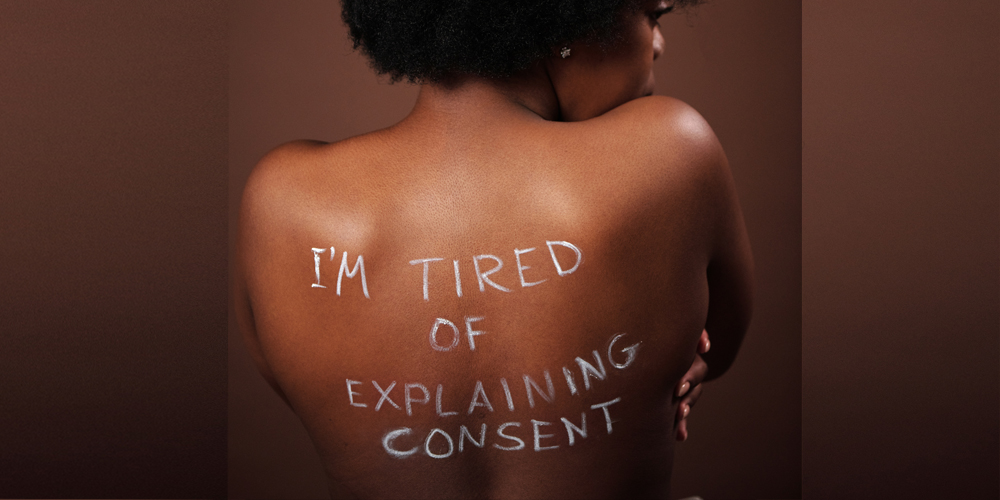
“Don’t walk alone,” “Don’t walk in the dark,” “Reject a guy respectfully so he doesn’t get angry,” “Watch your surroundings,” “Be home early,” “Be alert,” “Share your live location,” “Stay in your house, don’t visit people,” “Don’t trust strangers,” “Don’t drink too much,” “Don’t do this, don’t do that.” The advice is endless and at this point, it has become ridiculous. If society’s response to an alarming rate of femicide is to advise women on how to avoid being victims, then something is really wrong somewhere.
Women have been murdered in their homes, churches, workplaces, and on the street; you name it. Elizabeth was doing something people do every day and yet she was still a victim. Maybe it is time for us to actually shift the focus to exactly where it deserves to be: the perpetrators and the society that fails to hold them accountable.
South Africa has one of the highest rates of gender-based violence in the world, and even the government recognises this because, in November 2025, gender-based violence and femicide were classified as a national disaster. The decision means that there is now a legal obligation for a coordinated national response across government. So everybody is fully aware that something is wrong, yet more women are still being killed, and it does not just happen when a stranger attacks them.
The latest national femicide study showed that intimate partners accounted for almost 60% of women murdered in the 2020/21 study period. So the “precautionary” advice telling women to protect themselves does not hold water when the person who kills a woman may be someone she already knows, lives with, or trusts. A woman can be killed anywhere, and we need to take this issue seriously.
Taking it seriously means taking reports seriously before women become missing persons. When a woman says someone is threatening her, the police should take it seriously and not dismiss it. If her husband hits her, take it seriously. If someone is following her, take it seriously and provide all the support she needs. Taking it seriously also means investigations should not take so long that evidence is lost. It means police and prosecutors need to be properly equipped and resourced, and that the country needs more reliable data to understand the scale and patterns of the violence.
It also means holding perpetrators accountable for their actions without any sort of victim-blaming. The responsibility for the violence is with the person who commits it but society also has a responsibility to question the attitudes that allow violence against women to continue.
Men also need to hold other men accountable and talk to them about violence, a sense of entitlement, control, and the way they treat women.
They need to call out abusers instead of making excuses for them, like Bishop Maumela did when he defended the 59-year-old senior South African police officer with the rank of a lieutenant general, who was arrested over allegations of grooming a 16-year-old girl and sexually abusing another 18-year-old girl. The bishop described himself as a friend of the officer and called him “a child of God,” saying he was being victimised.
This behaviour is part of the problem we are talking about. We are so used to asking women what they could have done differently that even when a man is accused of sexual violence, we have people ready to defend him, make excuses for him, and tell us to look somewhere else. How are women supposed to feel safe when the men who are supposed to protect them harm them and other men defend them? If men commit most of this violence, they must also help stop it. We cannot keep treating violence against women as something women need to learn how to survive.
Most importantly, it means the government being held accountable for the promises it has made to protect women. There have been calls for better funding and accountability to ensure that issues like this are thoroughly investigated and victims are well supported, and these are things that should be looked into if we actually want things to change for women who are living through the crisis.
South Africans have come out in their numbers to protest against gender-based violence once again. Residents in KwaThema marched to demand police action, while the Black Womxn Caucus picketed outside a police station in Kempton Park to seek justice and accountability.
Women have been trying to protect themselves for years; they have followed every warning society has given them, yet the violence continues. Women have been careful enough, and no amount of advice can save them if society continues to fail them.


