

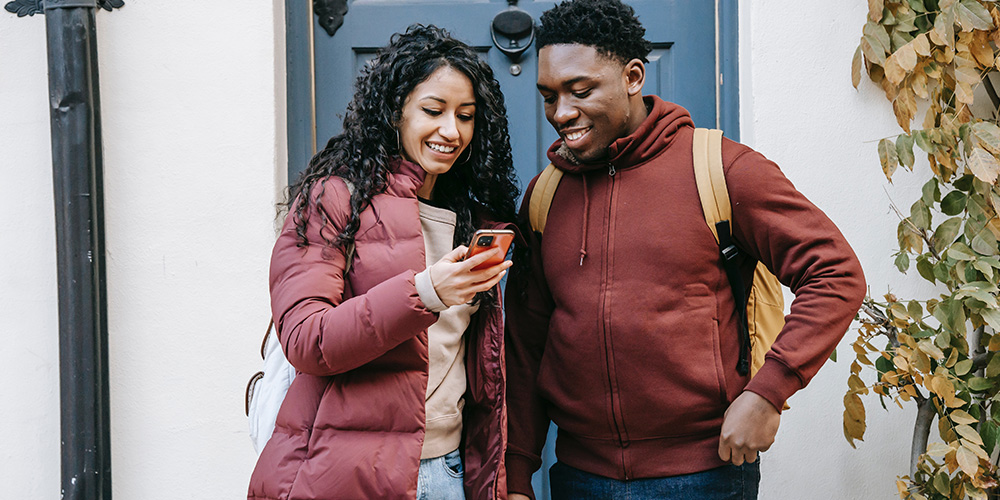
Valentine’s Day does not start in February; it starts at the beginning of the year. From the first week of January onwards, you start to see memes, quotes, tweets, countdowns, suggested Spotify playlists and the whole “If he wanted to, he would” discourse. By the time February 14th actually comes, we are no longer easing into romance; we are bracing ourselves for a social media performance review.
Valentine’s Day has become the ultimate relationship gauge. “Is she worth the effort?” “Are my gifts bigger than the other person’s?” “Does he love me enough?” “What did she get you for Valentine’s Day?” It seems as though the day has morphed into a litmus test where love is measured by public displays. I mean, if there is nothing to post, did it even happen?
The expectation has turned romance into a commodity. One Reddit user shared how her boyfriend mandated that she post the gifts he got her for Valentine’s Day. The grand gestures, the surprise deliveries, and the thoughtful details were all designed for her feed. “He wanted other women to see what he did for me,” she wrote. She became both the recipient and the distributor of her relationship content.
This is where things get complicated. Because it is one thing to share joy with your friends and followers; it is another thing entirely when sharing becomes more important than the experience itself. When you are more concerned about the angle of the bouquet in the photo than the fact that someone thought of you.
For Black women, this performance is more than what you think it is. We’ve grown up in a world that has historically questioned our desirability and our rights to be chosen and cherished. The “strong Black women” stereotype has been painted as self-sufficient to the point that receiving romantic love can feel like getting something that was long denied. So when Valentine’s Day rolls around, it is about visible proof. Proof that we are wanted, that someone loves us. Evidence that despite societal perceptions, someone has chosen us and continues to do so. The day becomes a way to show the world that you are not alone and that your love is intact and thriving.
And the world is watching; we’ve seen it happen—when a popular couple goes silent on that day, you will see and hear different takes and gossip. “Did they break up?” “She didn’t post him…” Posting becomes the expectation, and not posting becomes suspicious. Couples who have built their brands on public romance suddenly find themselves trapped. And it can be hard to walk back from it. Such pressure is why some couples find it difficult to leave a relationship even when their feelings have changed. They end up putting on a show by posting and pretending, which can be emotionally draining.
This scrutiny creates pressure that extends beyond established couples because even single people feel the burden of February 14th. When your entire timeline is flooded with roses, jewellery, romantic dinners, and grand surprises, you start to feel like a failure. Like how it could have been you if you had stayed with the cheating partner or given someone a chance even though you don’t like them.
Some women, in order not to feel this way, decide to self-gift, which can be a good thing, especially when it comes from a place of empowerment, celebrating themselves and participating without a partner. However, it becomes concerning when people buy gifts for themselves and curate a post that implies a partner gave them those things. In that moment, they have blurred the line between self-celebration and performance, seeking validation from the public instead of finding meaning in the gesture.
Vendors know this. Flower shops and gift stores now offer products and deals for people buying gifts for themselves. Even customised options are everywhere. The market has gradually adapted to feed the demand. What is heartbreaking in all this is how people who self-gift and lie about it do so in order not to be exposed as single or left out or to ward off pity.
Once you start seeking that validation, comparison becomes inevitable, because the stakes keep rising. You start comparing yourself to everyone else’s highlight reels. You start seeing those whose boyfriends rented a billboard, the weekend getaways, and the couples that posted a professionally shot photo series. Suddenly, your dinner reservation begins to feel small and your gifts seem basic.
Research published in Current Psychology shows that Instagram use in romantic relationships can influence emotions and how people perceive themselves and others, especially when they compare themselves to idealised images and posts.
Over time, the constant comparison turns love into something that must be proven over and over again even after Valentine’s Day has passed. Keeping up appearances can be exhausting, as we all know. We get caught up between genuine romance and performative love. The question we need to ask ourselves is, “How much of our romance do we enjoy all by ourselves, and how much is for the audience we never meet?”
Self-reflection can help us recognise and identify this emotional behaviour. When you get those flowers or gifts, ask yourself if you feel loved or relieved that you have something to post. When you plan that date, is it for connection or content? Would you still want to do this if no one else ever knew about it?
Pay attention to how you feel while scrolling on Valentine’s Day. If you find yourself feeling anxious or like you are falling short, that should tell you that you have started measuring your relationship or worth against the snapshots of other people’s lives.

Taking a break from social media during this period, even just for the day itself, can really help. Experience your relationship or singleness without the need for external approval. See what it feels like to receive love without documenting it.
If you are single and considering getting yourself a gift, ask yourself if it is for self-care and celebration; if so, do it as proudly as you want. But if it is about avoiding judgement or maintaining a certain image, then maybe the gift isn’t really for you. You need to sit with yourself and ask why other people’s opinions matter more than your peace. For those in a relationship, have an honest conversation about what the day means to both of you.
Valentine’s Day is a fleeting event. Perhaps the most radical act we could do is ask ourselves who we are trying to convince. A love that needs constant public validation might not be as secure as it looks. And if you order something for yourself this February 14th, that’s okay, as long as you are honest about why you got it and who it is really for.


